
Ava Martin
Lead Curriculum Architect
Designs scenario-driven courses that map common attack vectors to daily workflows. Ava develops role-specific exercises and debrief templates used in multi-week pilots with Canadian SMEs.
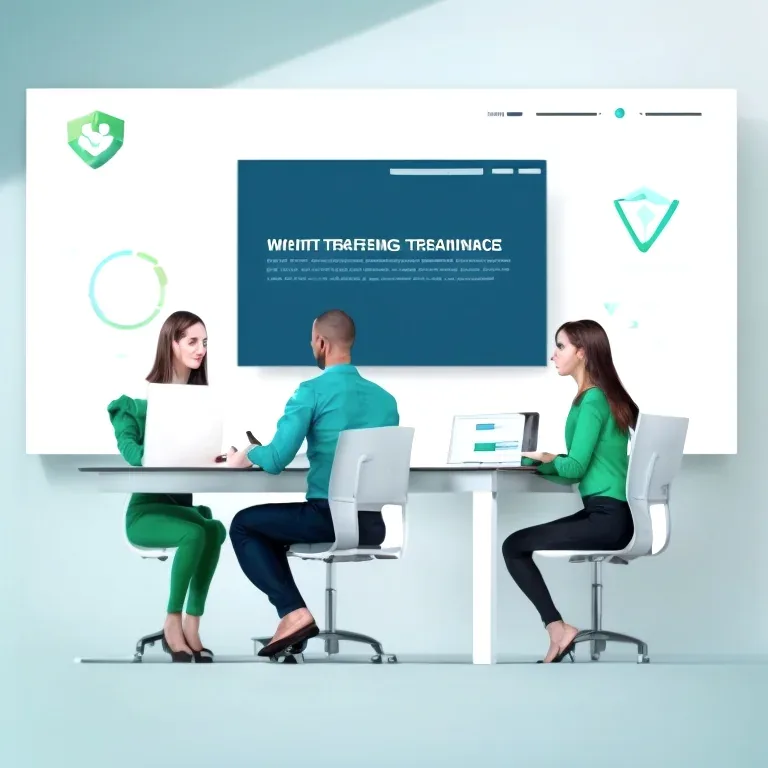
Scenario-first training
CyberHubEdu uses practical scenarios and tabletop exercises to improve decision-making and reporting behavior across teams. Our approach emphasizes measurable outcomes and repeatable playbooks tailored to your workflows.
Typical baseline phishing click rate we measure in pilots
of learners improved detection in simulated phishing
industry-tailored scenario libraries
CyberHubEdu assembles curriculum designers, former incident responders, and workplace learning specialists who build scenario-based training grounded in real incidents. Each module is paired with a case study and guided exercises so teams learn by doing and reflecting on practical outcomes.
Lead Curriculum Architect
Designs scenario-driven courses that map common attack vectors to daily workflows. Ava develops role-specific exercises and debrief templates used in multi-week pilots with Canadian SMEs.

Incident Response Instructor
Runs live tabletop sessions and creates post-incident learning paths based on anonymized case data. Liam focuses on measurable behavior change supported by repeatable scenarios.

Phishing Simulation Specialist
Develops adaptive phishing campaigns that mirror sector-relevant tactics and provides actionable remediation steps tied to each campaign’s outcomes.

Enterprise Learning Consultant
Works with procurement and compliance teams to align training content with regulatory and operational requirements while recommending phased rollout scenarios.
Each feature is framed around workplace scenarios: employee onboarding simulations, management-targeted phishing cases, remote-work secure access drills, and incident tabletop walkthroughs. Content emulates realistic decision points so learners practice responses under conditions similar to live events.
Learning paths combine short lessons with realistic scenarios and step-by-step exercises. Example: an accounts payable path includes invoice review tasks, a spoofed supplier email simulation, and a guided remediation checklist.
Simulations are customized by role and sector to reflect the social engineering tactics employees actually face. Results include scenario-level insights and recommended next-step exercises for teams.
Facilitated tabletop exercises use anonymized real incidents. Sessions conclude with an after-action learning module that transforms the incident timeline into teachable moments and concrete process changes.
Dashboards highlight behavioral trends and scenario failure points, enabling learning teams to prioritize interventions and measure training impact across defined case metrics.
Case-driven training
CyberHubEdu publishes scenario playbooks and case studies showing how organizations reduced risky behaviors through iterative exercises. Each case study details the scenario setup, execution steps, measurable outcomes, and suggested follow-ups for continuous improvement.
A step-by-step case about invoice fraud simulation, including detection exercises, role tasks for approvers, and a post-simulation checklist to tighten supplier onboarding processes.
Explore case libraryScenario set covering secure access, home-network checks, and credential handling with practical role-play activities that mirror common remote-work incidents.
Explore case libraryHigh-impact scenario focusing on CEO fraud attempts and response coordination across leadership, IT, and communications teams, with a structured after-action review template.
Explore case libraryFor demos, tailored pilots, or to request scenario customizations, contact our team. Information current as of 18-04-2026. CyberHubEdu operates from our North York office and supports organizations across Canada with case-led cyber awareness training.
2766 Victoria Park Avenue, North York ON M2J 4A8, Canada
+1 416-309-7614
181779363